
Designing for screens isn’t the same as designing for print
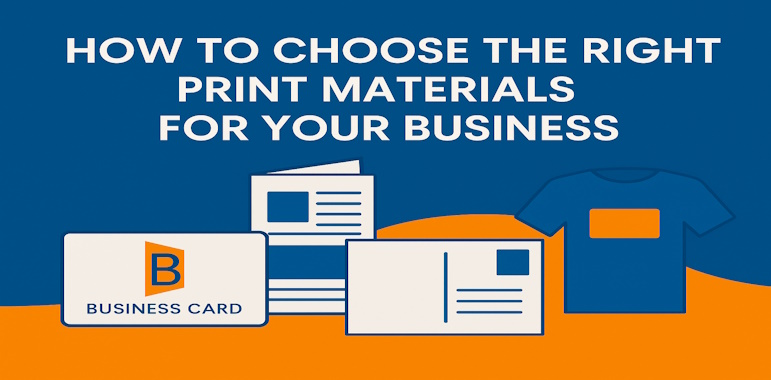
At first glance, graphic design might seem like a one-size-fits-all discipline. But when it comes to printed marketing materials—like business cards, brochures, and flyers—the approach must shift from digital to physical. If you’ve ever seen a blurry flyer or colors that looked completely off in print, you’ve witnessed the difference firsthand.
📱 Graphic Design for Digital Use
Graphic design for digital platforms (websites, social media, apps) is built with screens in mind. Designers use RGB color mode and design in pixel dimensions, focusing on visuals that look crisp on mobile, tablet, or desktop. Images can be interactive, animated, or scrollable—features that don’t translate to paper.
🖨️ Graphic Design for Print Materials
Print design requires a different mindset. It must account for real-world variables like bleed lines, safe zones, paper type, and CMYK color mode (which differs from the RGB used on screens). Print files need to be created at 300 DPI resolution to ensure sharpness and clarity, and designs must be formatted for specific sizes, folds, and finishes.
Why It Matters for Your Business
Poor print design can lead to misaligned layouts, dull or incorrect colors, and low-resolution graphics that hurt your brand’s credibility. Working with a print-savvy designer ensures your business cards look professional, your brochures fold correctly, and your brand colors appear exactly as intended—no surprises when they come off the press.
iBrand Tip: Choose Print-Smart Design from the Start
At iBrand Consulting, our graphic design services are built for print-first marketing. Whether you’re preparing for a trade show or launching a direct mail campaign, we ensure your materials are formatted, color-accurate, and ready for high-quality production.